DUCAL PARK
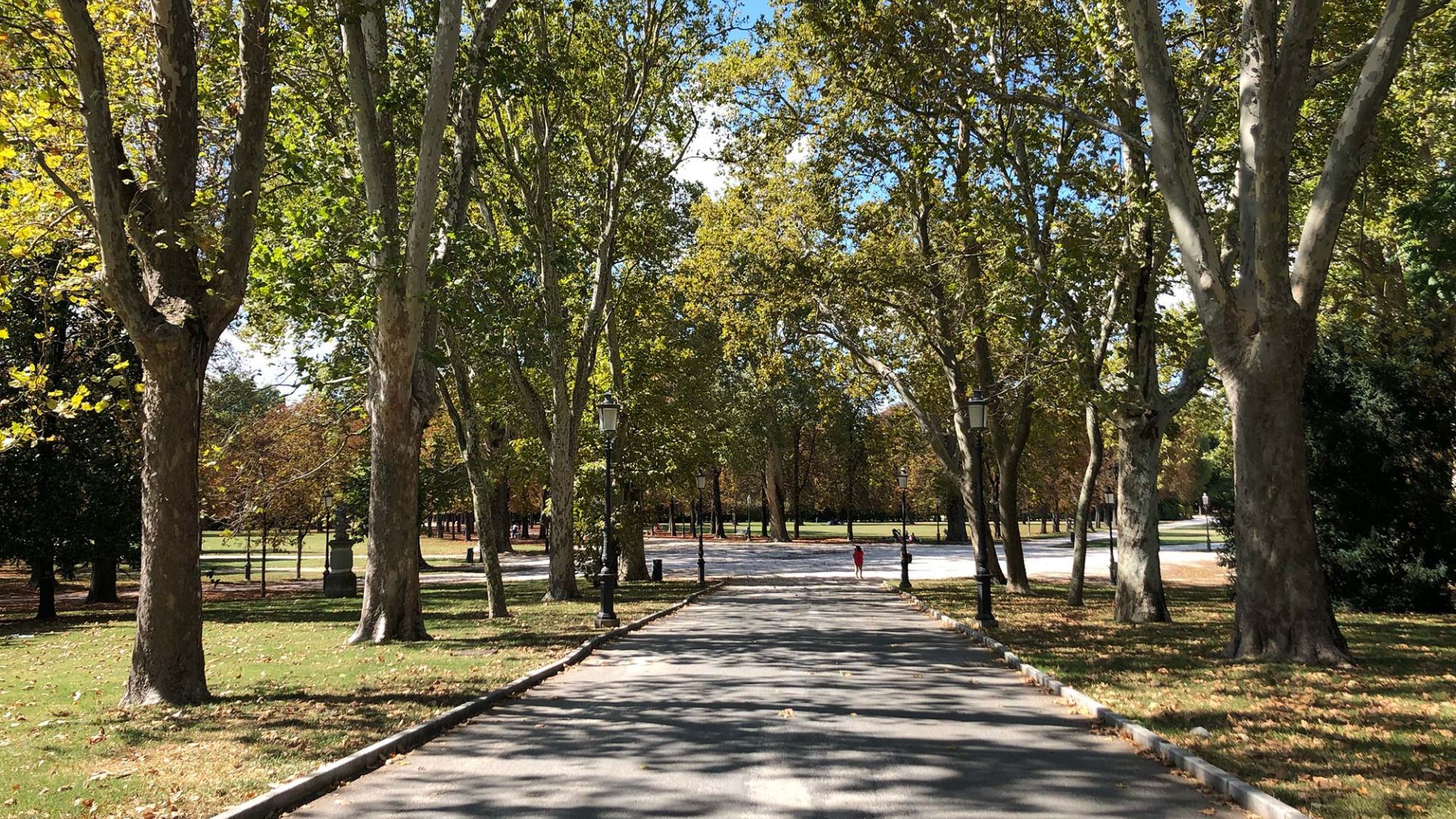
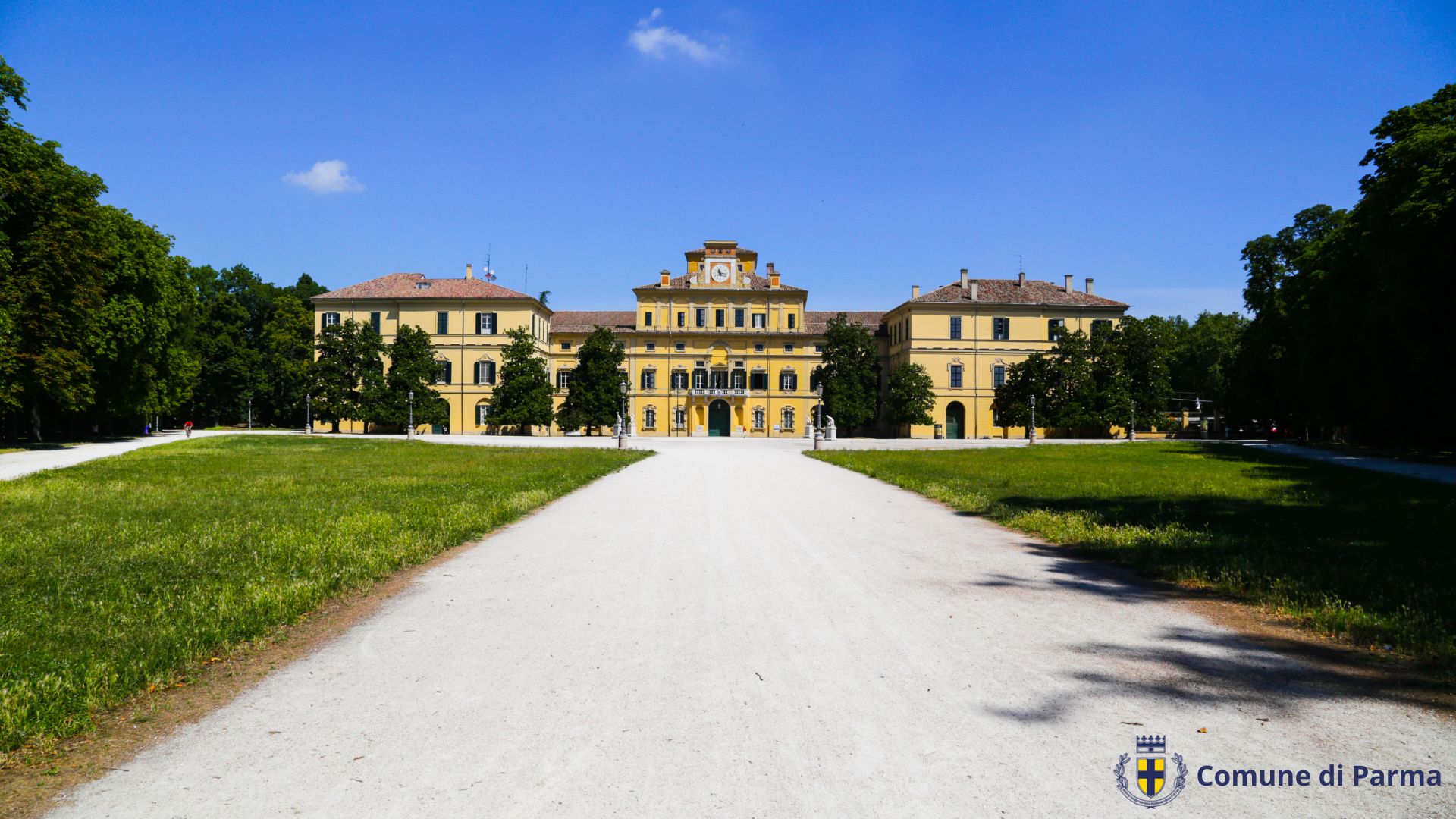
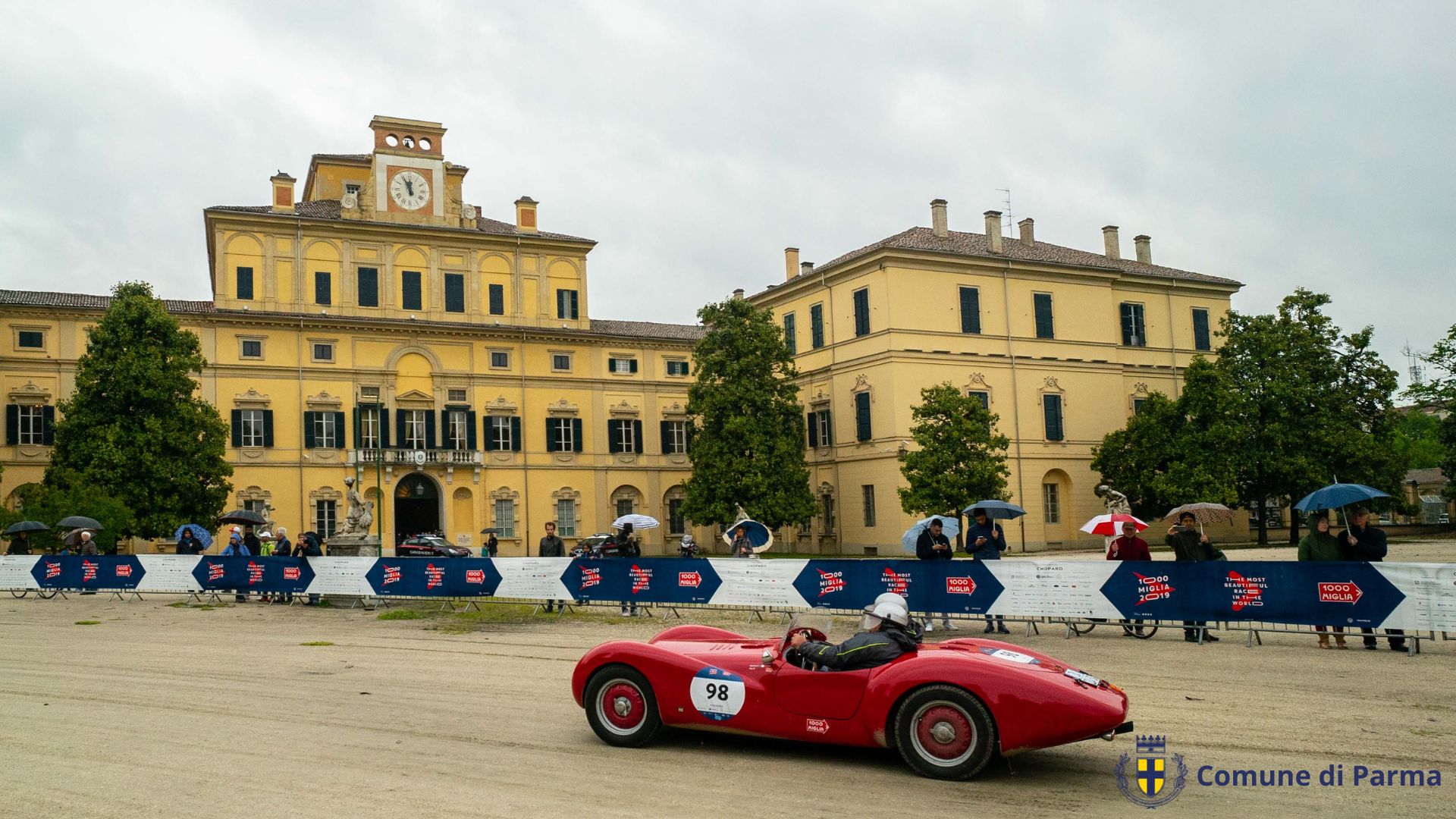
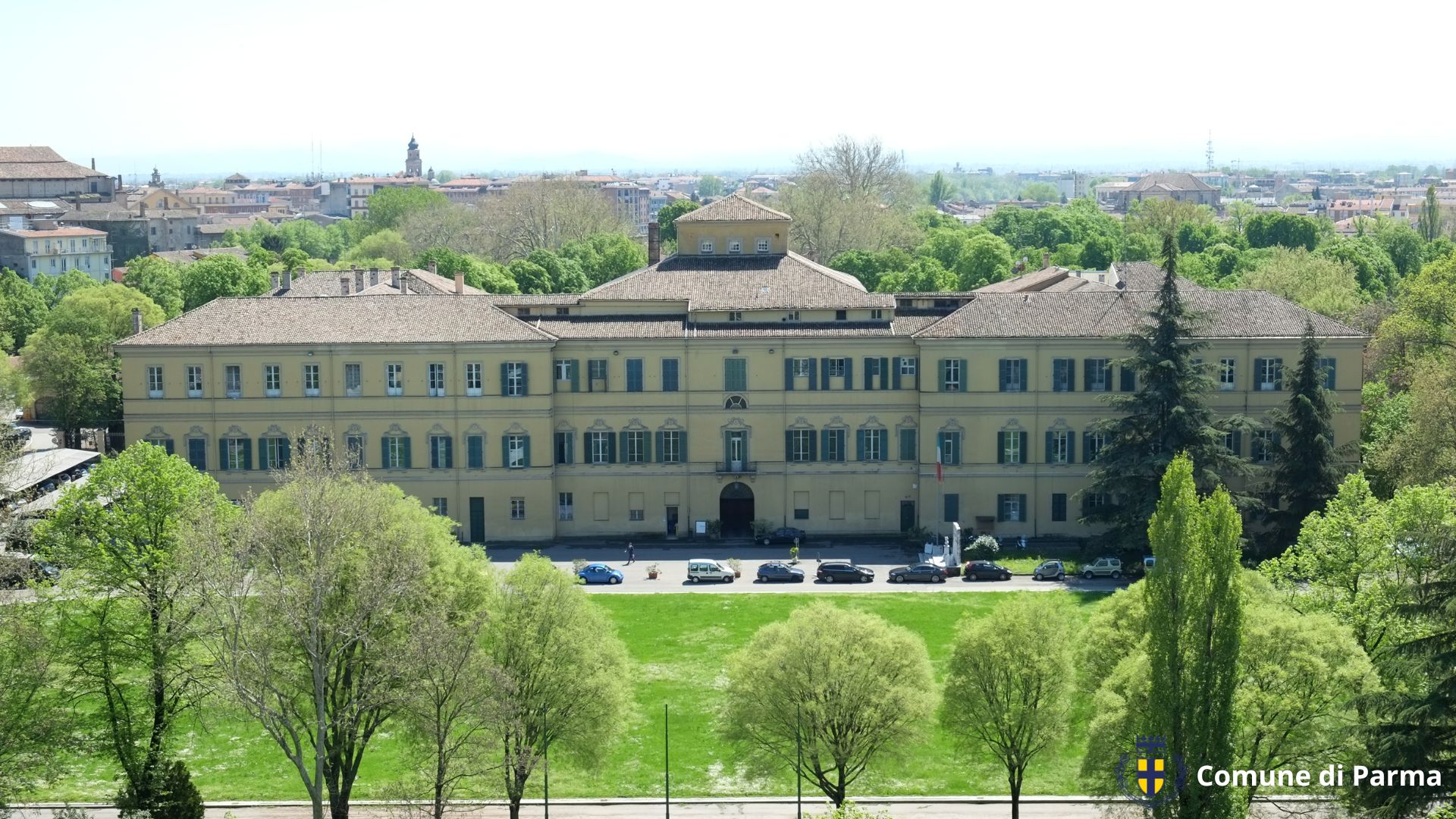
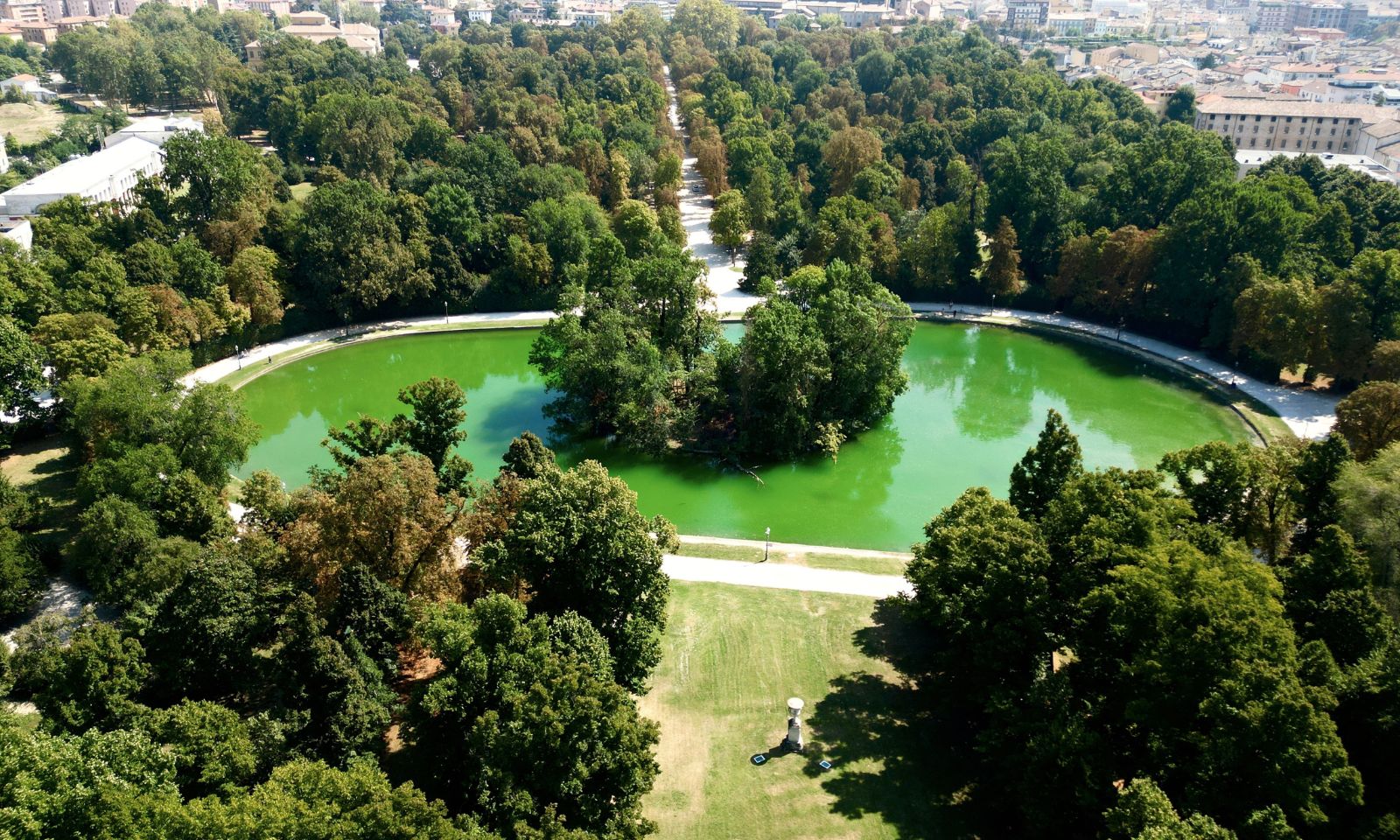
Theme: NatureThe city of Parma contains, nestled among its charming ducal alleys, a variety of naturalistic gems that serve both as places of recreation and meeting points for people of all ages, and as veritable history books to be leafed through to discover curiosities and centuries-old secrets. One of these is undoubtedly the Ducal Park, a central green lung that dominates the city with its majesty and its 200,000 square metres of surface area.
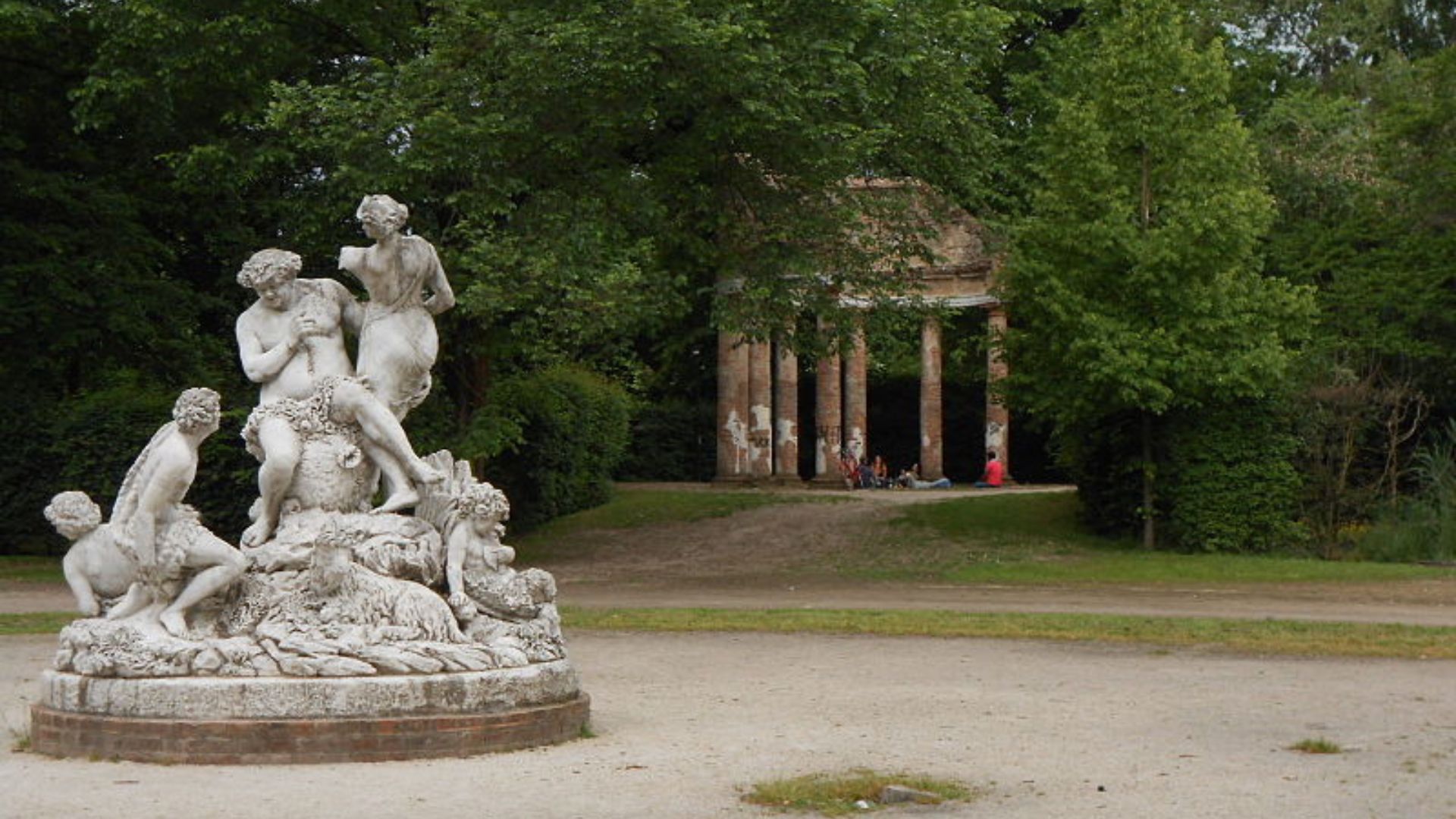
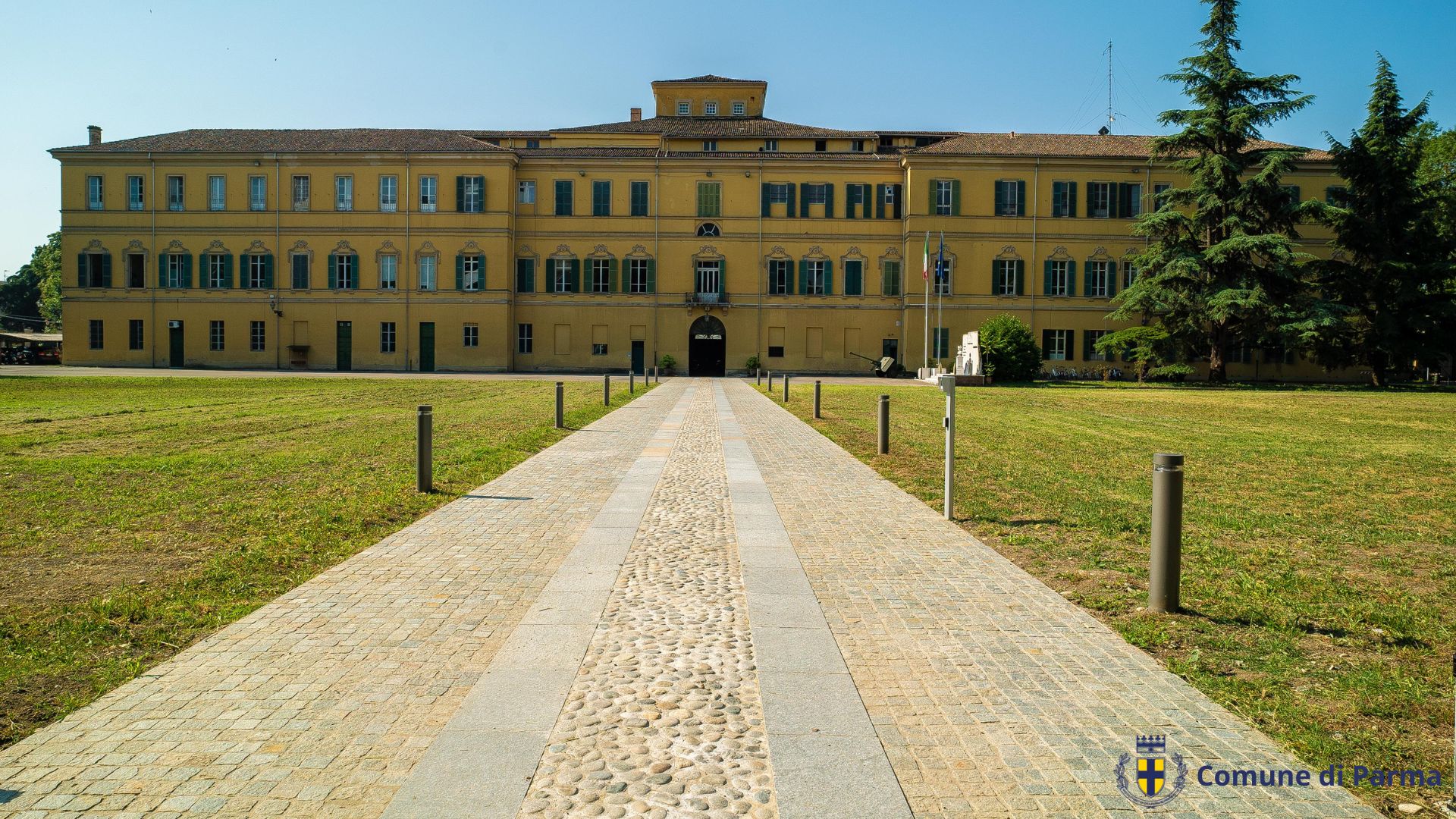
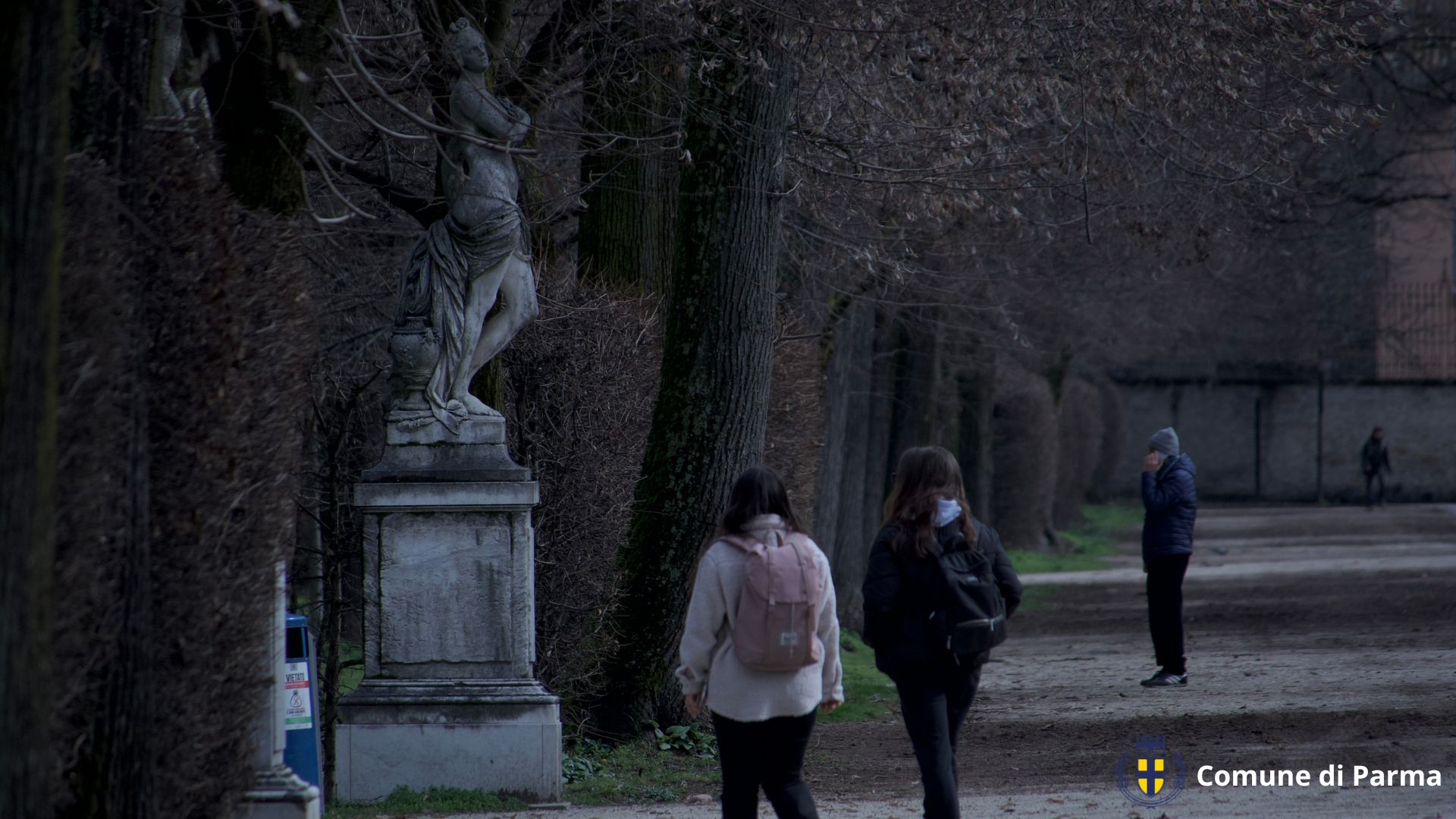
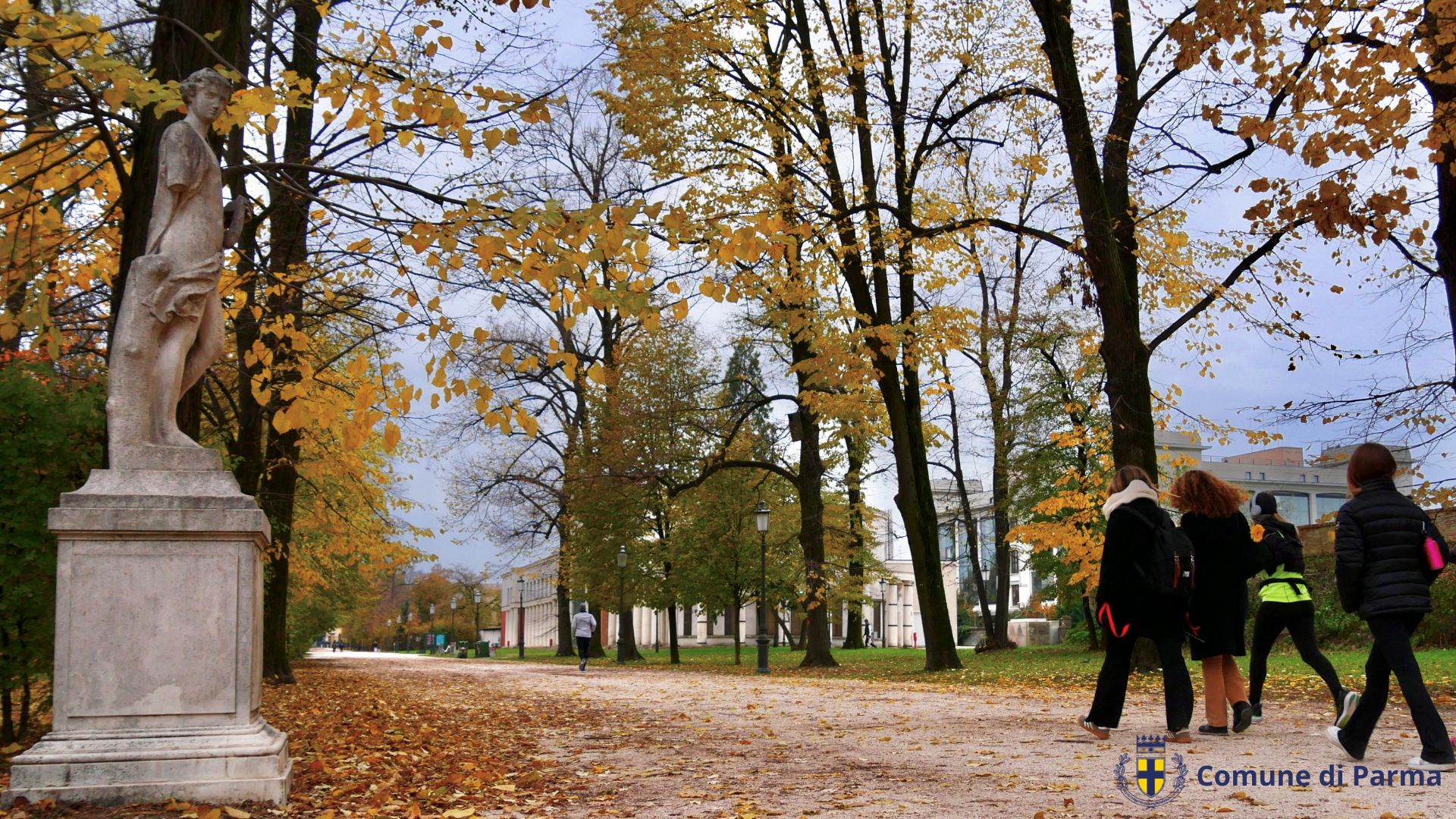
As the story goes, Parma’s Ducal Park, located in the Oltretorrente district, was created in 1561 based on an idea by Duke Ottavio Farnese, lord of Parma, who wanted at all costs to build a large park adjacent to the city’s stream. This was when Duke Farnese purchased the surrounding land, within which only the Palazzetto Eucherio Sanvitale was retained. Initially, the park featured a single central avenue, surrounded by flower beds, fountains, hedges, oaks, plane trees and fruit trees. It was not until more than a century later, in 1690, on the occasion of the marriage between Odoardo II Farnese and Dorotea Sofia di Neuburg, that an oval fishpond with an island in the centre was built in the large central avenue of the park, a structure designed to allow nautical shows to be performed. It was during the War of the Austrian Succession that the Ducal Garden saw the peak of a slow decline, which began with the extinction of the Farnese family in Parma in the 1730s: in 1745, all the centuries-old trees were cut down and burned to fuel the fires of the troops engaged in battle. It was only with the new Duke Philip of Bourbon that, in 1749, the park was completely renovated by Prime Minister Du Tillot based on a design by architect Petitot. Given the transalpine influence, the result was a French-inspired neoclassical garden with monumental statues and vases in Carrara marble based on designs by Petitot himself. Finally, after the Restoration, it was the new Duchess of Parma, Piacenza and Guastalla, Maria Luigia, who commissioned the court architect Nicola Bettòli to carry out a partial restoration of the park, introducing new and unusual tree species. After the unification of Italy and the subsequent transfer of ownership of the area to the municipality, the walls were demolished and new entrances were built, finally opening the park to the public, where it remains to this day.
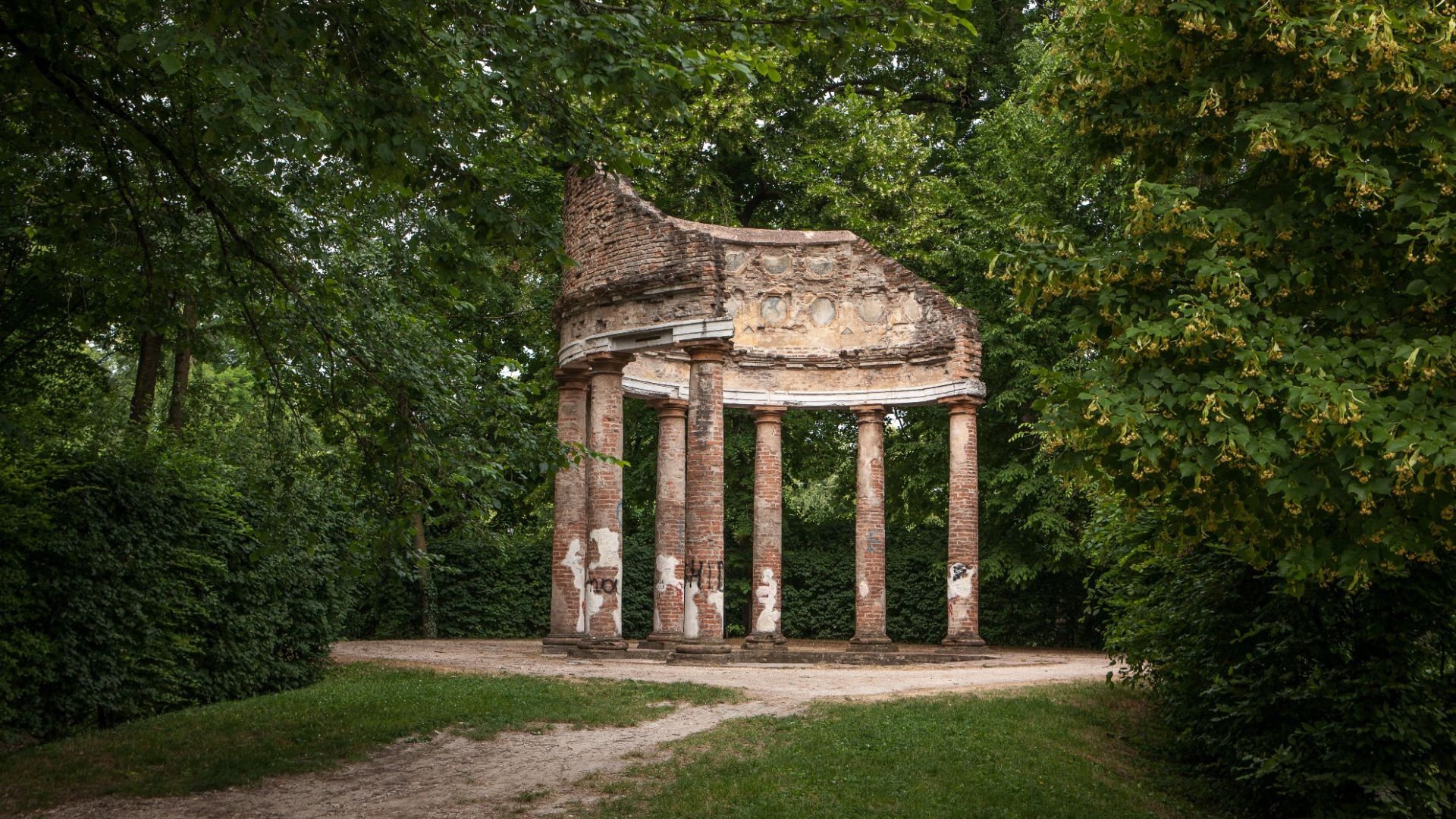
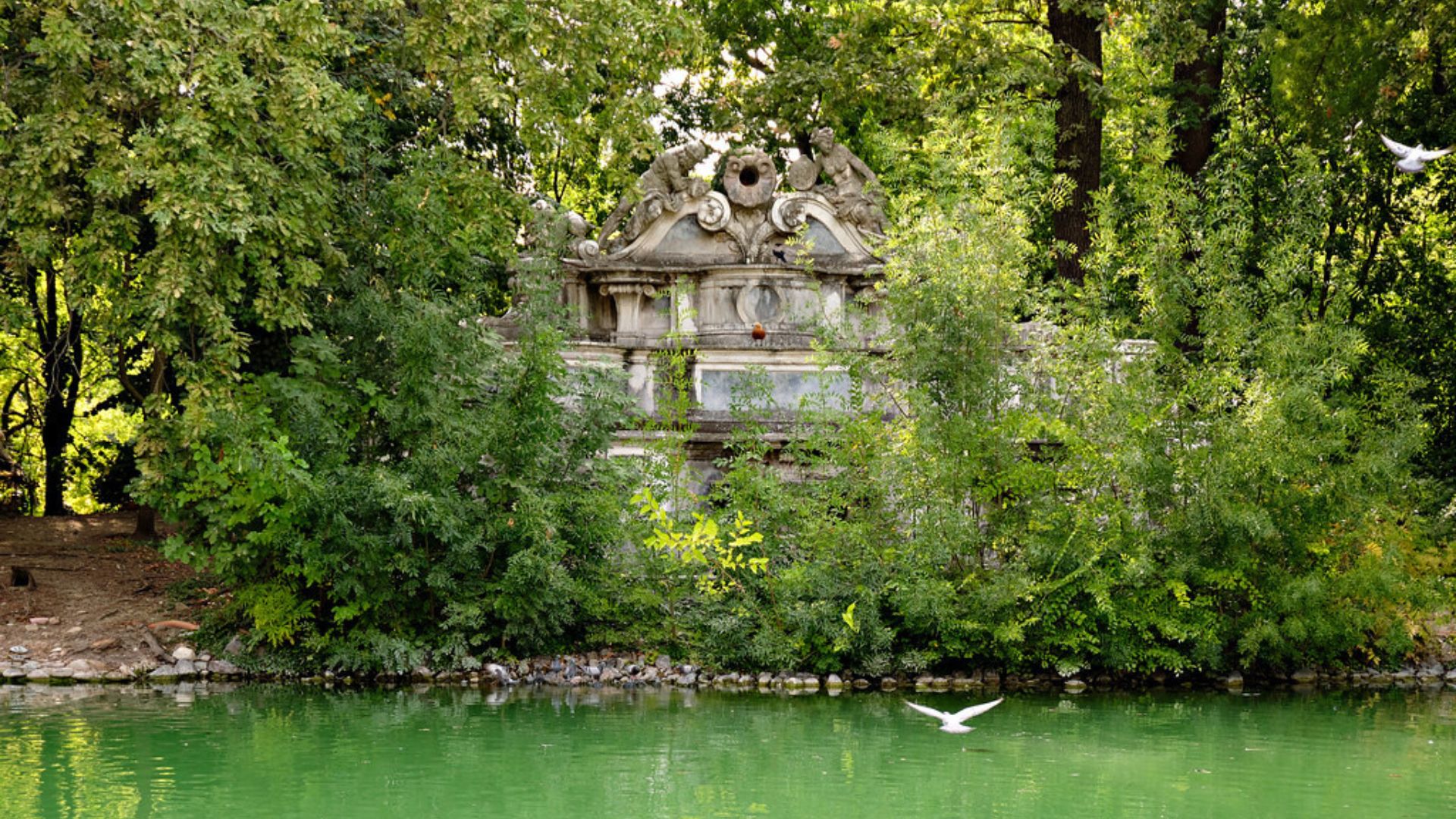
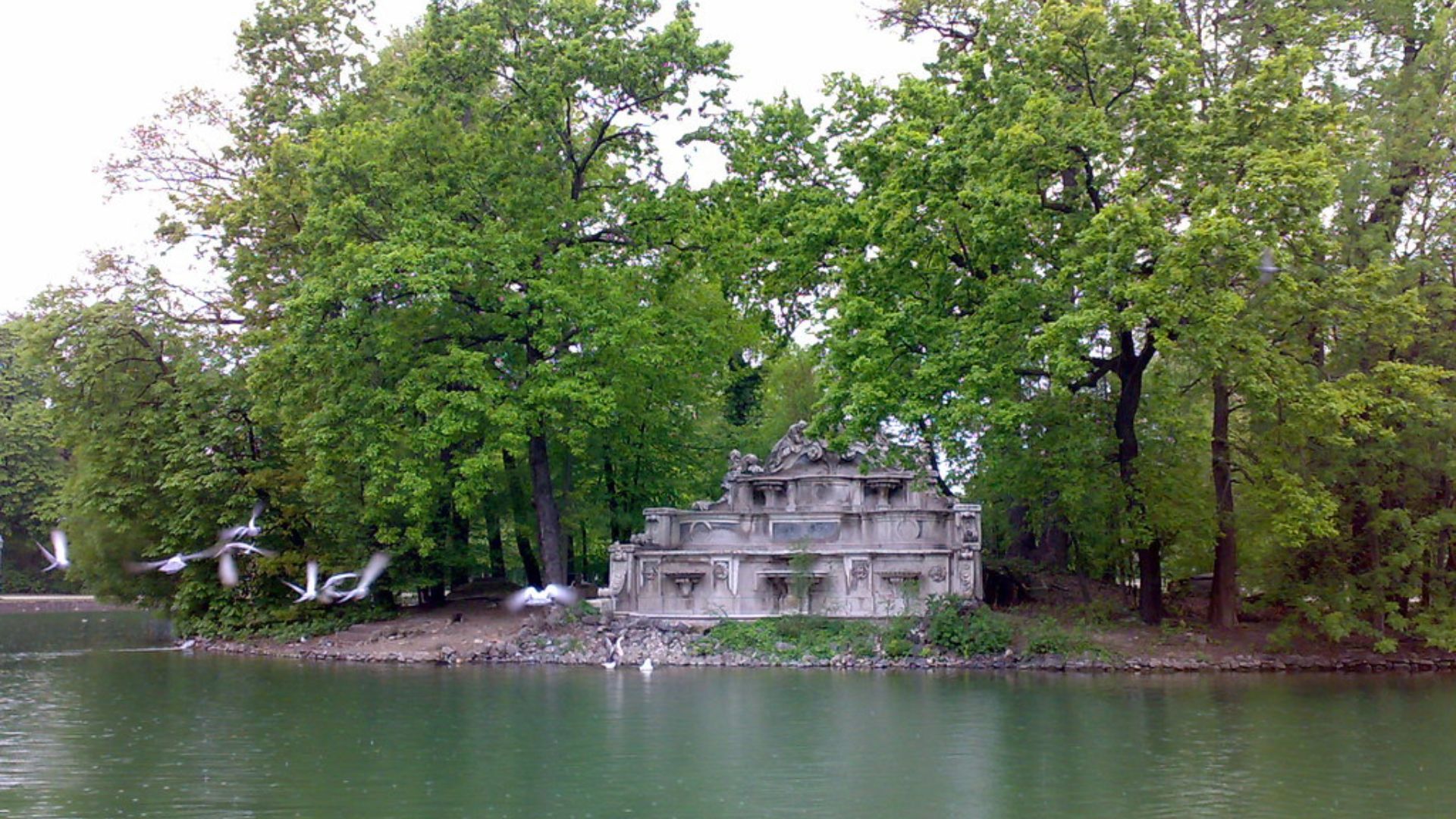
Thanks to the curious centuries-old history that characterises the atmosphere and narrow streets of the Ducal Park, the latter is fortunate enough to contain numerous artistic and architectural artefacts scattered and well hidden in its green streets, all waiting to be discovered, reconstructing through them a magical collage of history that spans more than 400 years. For this reason, this itinerary has been designed within the park to serve as a guide for visitors who, step by step in order of appearance, can admire the various treasures and discover fascinating stories that only the Ducal Park of Parma can preserve.
There is no content in this section yet, if you have materials to integrate contact us
There is no content in this section yet, if you have materials to integrate contact us